
‘We Bury the Dead’ Review
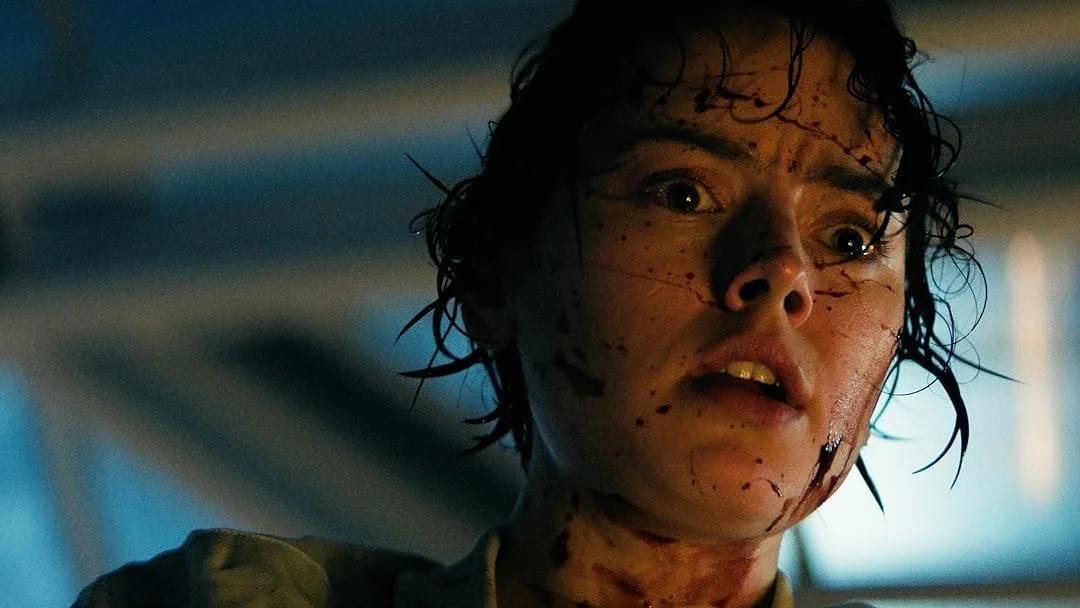
After coming off a massive franchise like Star Wars, it’s fascinating to see how actors handle their careers and which projects they choose to tackle. In the case of Daisy Ridley, it's been an eclectic mix of media, from video games like Twelve Minutes to subdued dramedies like Sometimes I Think About Dying to mid-tier action vehicles like Martin Campbell’s Cleaner. The throughline has remained in her performances, with each film offering a fragment of her range, creating a portrait of a versatile actor willing to take career risks for interesting projects. We Bury The Dead is no exception, as Ridley’s horror vehicle offers an interesting twist on its familiar setting and a character bearing complicated feelings that helps keep it feeling fresh in a tired genre.
Zak Hilditch’s latest horror film is a surprisingly subdued, introspective approach to the zombie genre. As the island of Tasmania suffers a tragedy after the accidental detonation of an experimental weapon by United States forces, Ava (Ridley) travels from America to join the Australian body retrieval unit and help with relief efforts. However, her motives are not selfless: she’s hoping to get close to the epicentre of the blast, where her husband was on a work retreat and is presumed dead. Reports of the deceased mysteriously coming back to life, though, have put an ounce of hope in Ava’s corner, and she becomes hellbent on traversing Tasmania to find her husband. Joined by another volunteer, Clay (Brenton Thwaites), the two desert their unit and head towards Ava’s husband’s last known location.
We Bury The Dead plays closer to a post-apocalyptic road-trip movie than to a zombie apocalypse, and primarily wrestles with the notion of closure and how grief can rewire the brain. There actually aren’t all that many zombies present in Hilditch’s film, but it’s because the dead aren’t necessarily all coming back to life. Why that is provides an interesting hook for audiences looking for something different from their ruminations on death. That knee-jerk response to become hostile to something we don’t understand is something Ava wrestles with when she sees the walking dead. They’re not inherently threatening, but it’s difficult to understand why they’re coming back to life if the immediate response is to kill them.
Hilditch’s screenplay doesn’t stray too far from genre expectations, though it is refreshing in how it frames certain tropes. Specifically, a detour with a grieving widow (played by a haunting Mark Cole Smith, who has quietly been making a name for himself in Australian genre cinema) feels like it’s hitting familiar notes until it shifts into more gentle, but far more depressing, material. It’s a tense, quietly devastating sequence that comes out of left field to nuance the film's themes before sending Ava back on her journey. We Bury The Dead is riddled with moments like that, often more subtly implemented. There’s something special about how the movie approaches death that Hilditch uses to reposition how characters in this kind of film might behave, and it pays off.
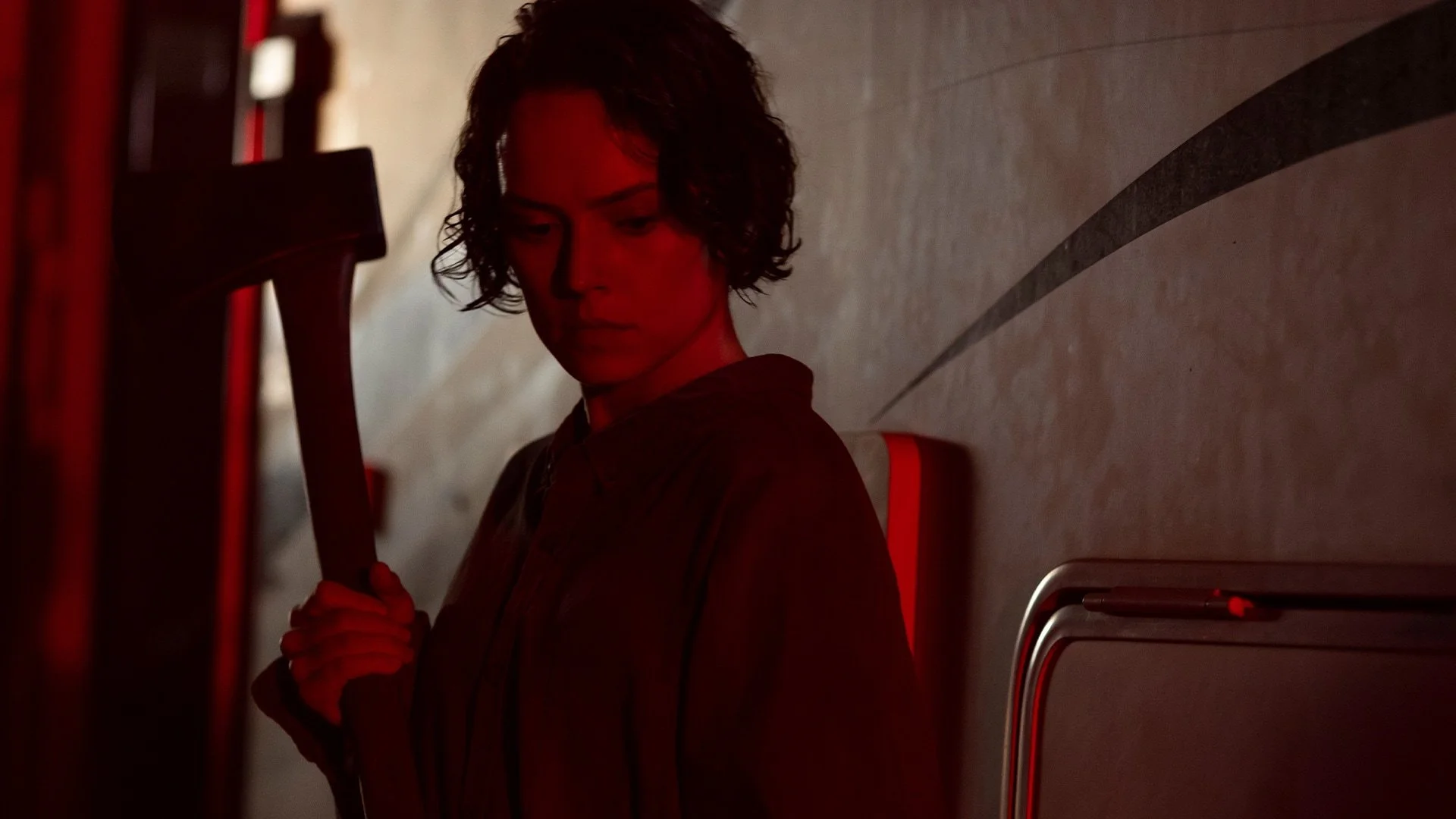
That’s not to say that We Bury The Dead is deprived of its horror and leaves its audience grappling with their own morbid thoughts. The blood and guts are still present, and the film swings wildly from cathartic rage to a desperate struggle for survival. Most of the fun is when Clay is present, who is charming and abrasive in equal measure. Juxtaposed against Ava, who seems to be quietly stewing in her own thoughts—complete with flashbacks to past conversations with her husband—Clay appears to be the chaotic, carefree contrast to Ava’s grief-stricken demeanour. Ridley’s channelling that sorrow into a quiet determination, but it’s clear her character has something else troubling her as she gets closer to confronting her husband’s fate. The way Hilditch’s screenplay eventually resolves is a logical result that might feel anticlimactic for some, but it works tremendously within the context of what Ava’s character is working through.
Zombie movies are a dime a dozen still, and there’s no sign of people slowing down, especially with franchises like 28 Days Later resurfacing to find new ways to approach the same ideas decades after their initial release. However, indie film is always where that innovation is expected and Hilditch’s economical screenplay is far smarter than the average horror film that leans on special effects or a single clever concept to set itself apart. In fact, We Bury The Dead is a much more thorough exploration of grief than some big-budget horror, where grief and trauma have become as tiresome to see as a zombie movie. Uneasy chills still permeate Ava’s approach to closure, but it’s the uncertainty that the answers will be satisfying that leaves audiences reeling.
