
Tribeca 2026: ‘Memorizu’ Review
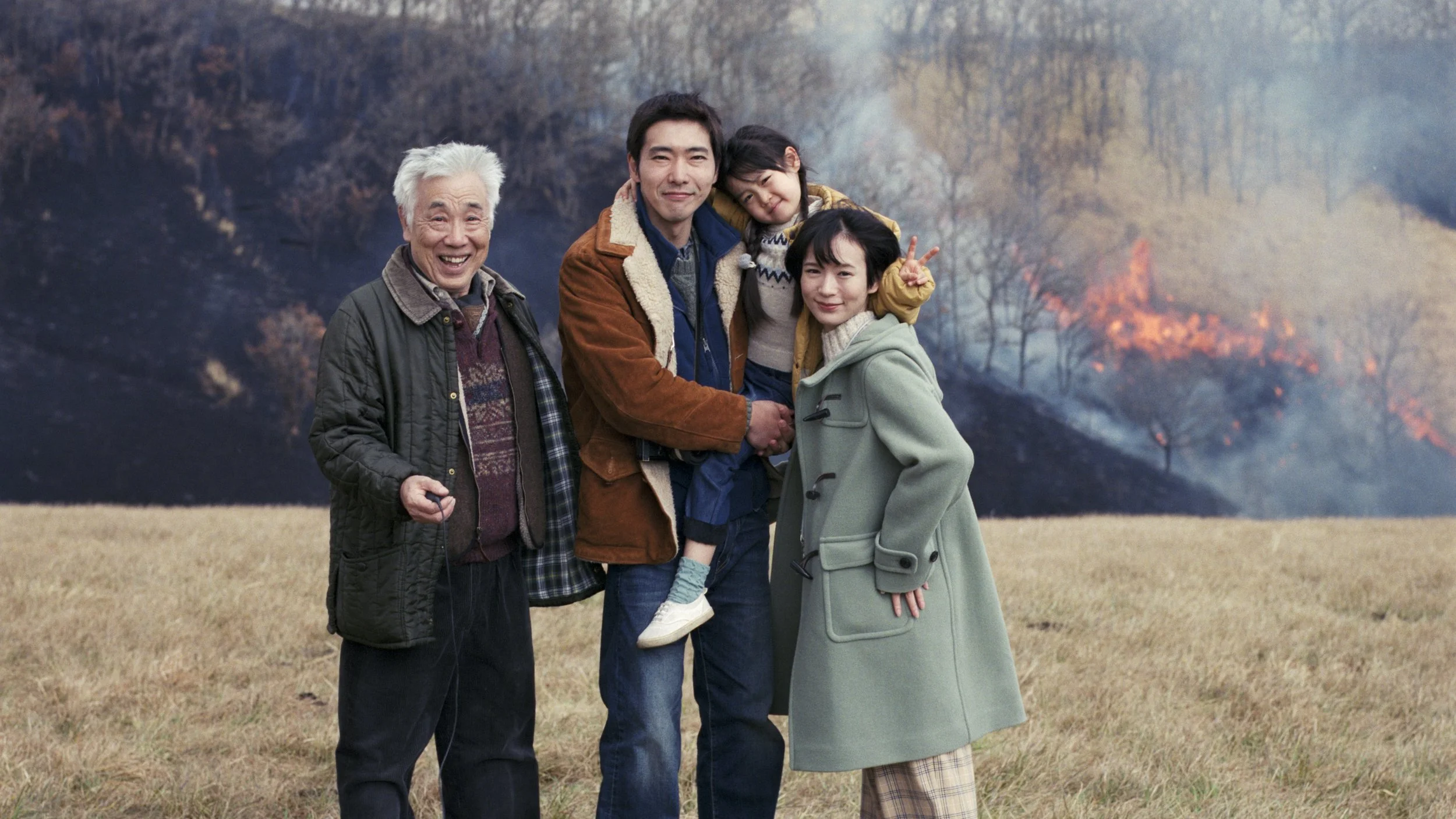
Videos and photos have become integral tools for connecting society. Communication is not limited to simply telling someone what’s happening in your life; now, you can show people. Miiku Sakanishi’s directorial debut shows how technology has managed to fill an absence while connecting people, but what the director’s film, Memorizu, does best is slow its characters down to reassess the tools used to convey a feeling. In its gentle approach to generational, regional, and technological differences, Sakanishi displays a moving portrait of how memories are recorded, retained, and strengthened.
When Yuki’s (Moeka Hoshi) father, Makoto (Issey Ogata), is forced to rest after hurting his leg, she’s unable to drop everything in Tokyo to come and take care of him at his home in Oita. While her daughter, Hana (Masayo Umezawa), continues to attend school, she focuses on her work and sends her husband, Yuta (Tasuku Emoto), to the rural Japanese island of Kyushu to care for her father and help with his day-to-day routine. Yuta’s busy life in Tokyo slows down once he arrives in the island’s capital and starts becoming responsible for more mundane tasks such as watching Makoto’s dog, getting the groceries, and handling the few customers that come to Makoto’s photo studio. While Yuta and Yuki remain miles apart, the two begin capturing their days on video and sending it to each other.
Much like the Japanese dramas from Hirokazu Kore-eda, Naoko Ogigami, and Yasujiro Ozu, Sakanishi’s film revels in the moments often abbreviated in other films. The simple act of walking one’s dog might lead to an interaction that isn’t revelatory but provides a small piece of the puzzle in understanding the soul of a place or character. The videos, recorded and spliced together in vlog format, emphasize a strong need to connect, but it’s in the content of the videos themselves that the recipient can discern the individual recording them. What makes this particular lonely walk so moving that the person not only felt the desire to record it but also share it with others? Sakanishi interjects these vlogs throughout the film, allowing the viewer to glimpse something beautiful in the mundane through the eyes of the characters recording them. Memorizu is a quiet film that is louder formally than it is narratively.
There’s not so much a competition between video and photography as there is something to be said about how Sakanishi’s screenplay frames Makoto’s profession against the frequent recordings from Yuta and Yuki that seem to hold no meaning yet, to them, have an understood bond. To watch Makoto work is to see someone searching for the right moment to strike, whereas videos seem unfocused and directionless. Memorizu seems to outline the value of each format, but there’s an unquestionable leaning towards the ethereal beauty that can be captured and harnessed in a single image. The film’s slower pacing reflects a similar mentality: simply trying to be in the moment. The catch is what part of the moment should be recorded for all time.
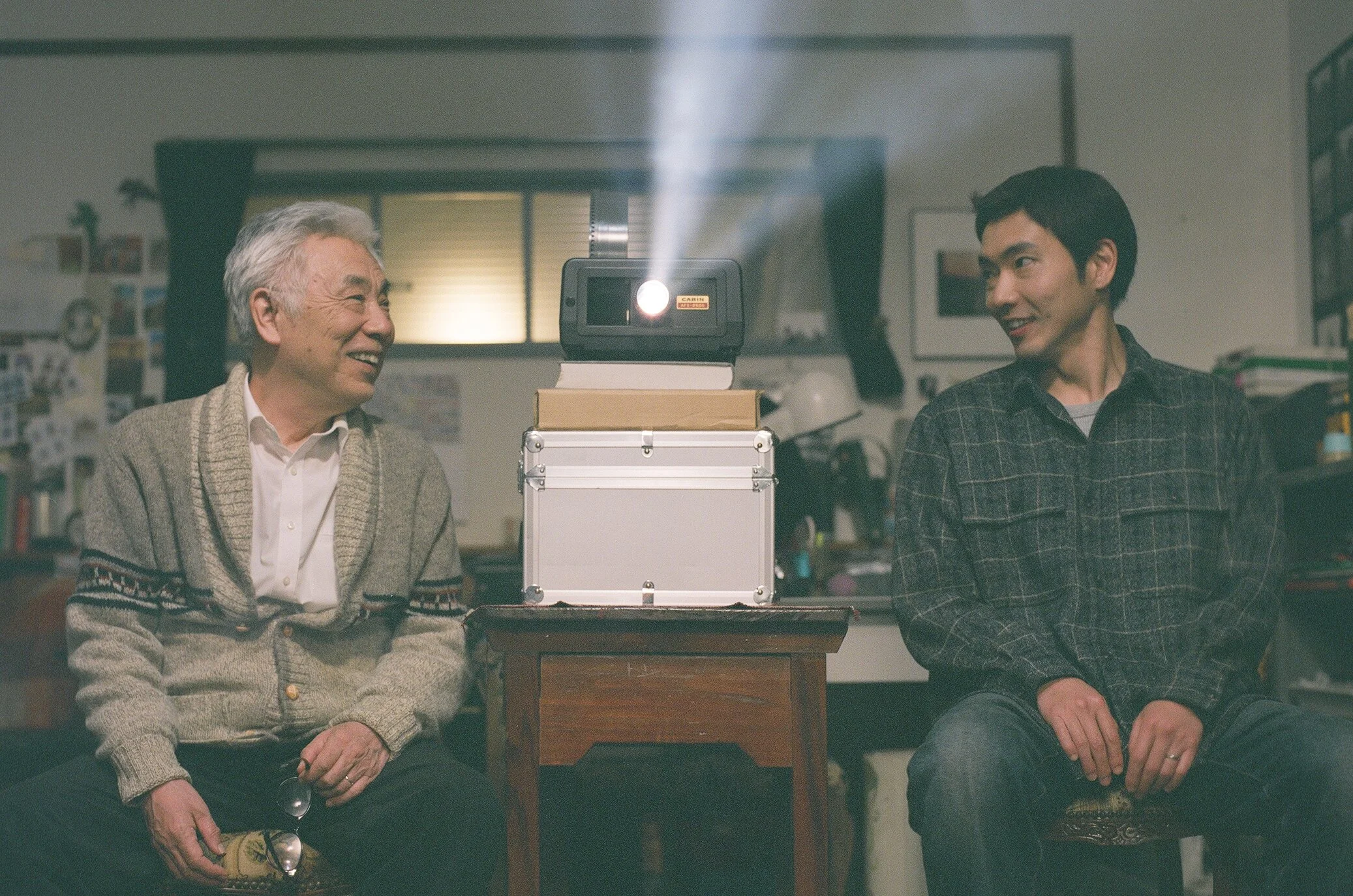
It also raises the question of what is being remembered when looking back at old photographs and videos. Is the intent to capture the events leading up to a moment, or is it the feeling in that instant that is trying to be seized? Memorizu is concerned with both, and emphasizes it by allowing us to see beyond the vlogs and photos to the characters trying to cling to something intangible. Yuta and Yuki feel distant, and their footage of repetitive scenery populating a day’s journey only accentuates a longing to be together. It washes over the footage, but when we see what is beyond their videos, it's interactions that seem to resonate within and can’t quite be captured in that moment. They’re private, not just because they’re not recorded but because the feelings they stir are seemingly impossible to convey.
Looking at someone else’s family photos is completely different from looking at your own. Memories are individual, and the emotions tied to those memories well up at unknowable times. Memorizu showcases the value of recording those moments, even the most mundane, not because they mean something in that moment but because that moment might mean something later. As we watch Yuta attempt to understand his father-in-law, it’s through the way they approach capturing those fleeting memories that the pursuit becomes manageable—what they choose to record and which feelings linger afterwards. Memorizu is a subtly stylish and quietly impressive debut. The formality of Sakanishi’s directorial debut is an assured handling of an evasive feeling: the impossible task of distilling down an emotion to appreciate later, without knowing whether the images captured will evoke the same emotions down the road.
The 25th Tribeca Festival takes place between June 3rd and 14th. Memorizu celebrated its World premiere on June 6th, as part of Tribeca’s International Narrative Competition. The full list of films selected for the festival can be found here.
