
‘The Voice of Hind Rajab’ Review
Far too often do dramatizations feel like the sterilization of the truth—finetuning events not to discount that they really happened, but to make the gist of it more palatable to a wider audience. There’s an absurdity in the idea of trying to play to emotions by putting a layer between the audience and reality, but it feels like most audiences have only recently begun paying attention to documentaries outside of true crime series, so the need to dramatize reality can sometimes feel vital to getting a message across to the casual moviegoer. Even getting audiences to see a film can be an uphill battle, as is the case with 2024’s No Other Land, where the directors were forced to independently distribute it to get eyes on it in North America (the film is still not available in Canada as of this writing). When winning an Academy Award for documentary filmmaking still keeps distributors away, what choice do you have but to try a different approach?
Like No Other Land, Tunisian filmmaker Kaouther Ben Hania also centers her gaze on the Gaza genocide with her latest film, The Voice of Hind Rajab. Through the retelling of the killing of Hind Rami Iyad Rajab that utilizes the actual recordings of emergency calls made between the five-year-old Palestinian girl and workers at the Palestine Red Crescent Emergency Call Center, Ben Hania’s docudrama interrogates the utility of dramatization in storytelling through a harrowing series of events. Portraying everyone with actors while feeding them dialogue straight from the real-life calls could seem exploitative if not appropriately navigated, but Ben Hania keeps one crucial element glaringly apparent throughout the tense 89-minute runtime: Hind Rajab’s voice is her own and, like the emergency workers talking to her on the other end, audiences can’t see what is happening on her side of the phonecall.
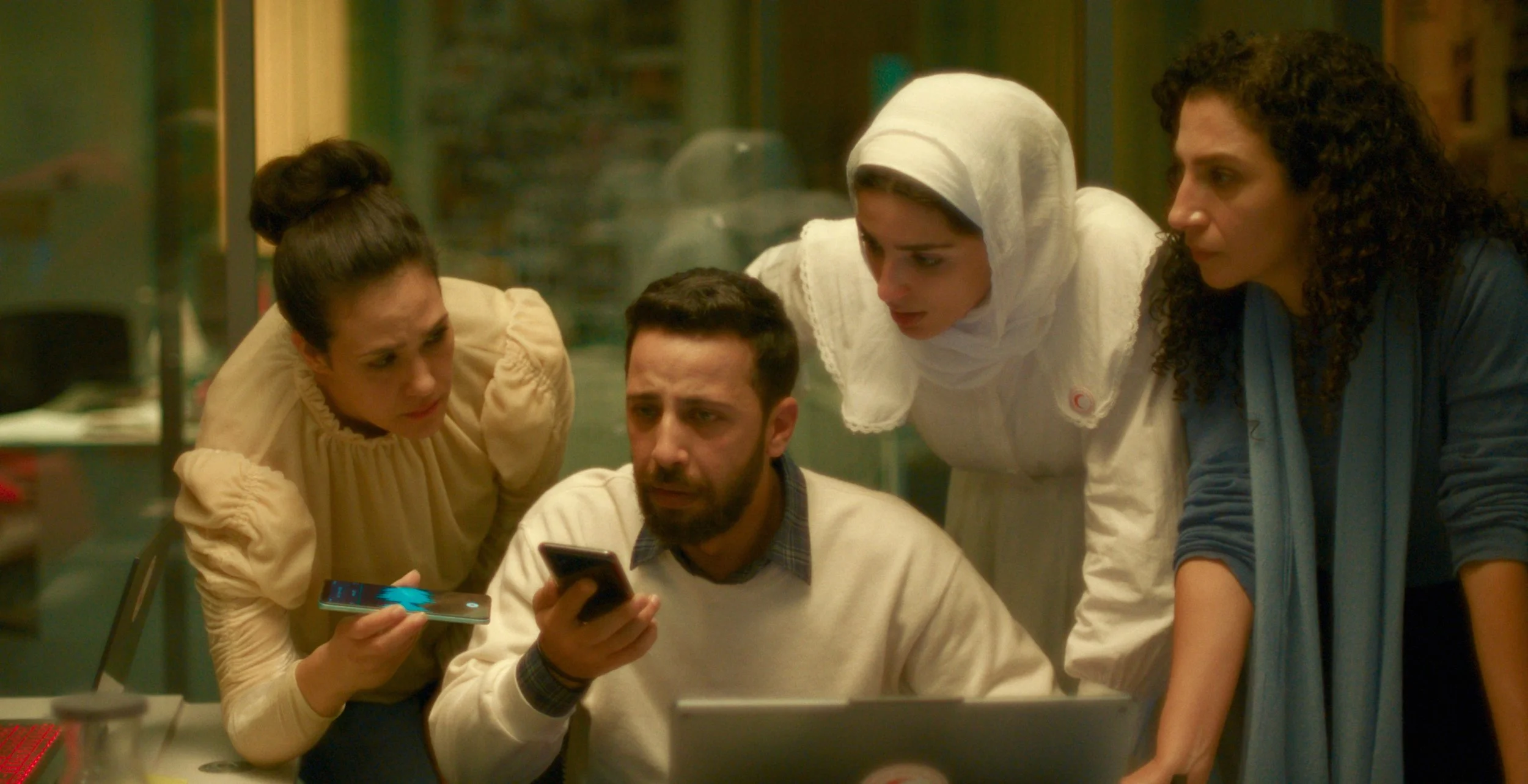
It’s through that simple decision that The Voice of Hind Rajab frequently manages to ground the audience in moments of frustration and disbelief. While actors portray the call center workers, Ben Hania occasionally overlays the portion of the call spoken by their real-life counterparts onto the actors' voices. Meanwhile, the camera never leaves the call center, making the anxiety of Omar (Motaz Malhees) and his coworkers all the more palpable as they try to arrange for the rescue of Hind after her family is shot and killed by the Israel Defense Forces, leaving her trapped in a car in the middle of Gaza’s Tel Al-Hawa neighbourhood. The mental image is haunting enough, but the use of Hind Rajab’s actual voice and calls made in that moment amplifies everything to an unimaginable pain. Punctuated by digital file markers to reaffirm that this is actually her talking, The Voice of Hind Rajab surpasses any notion of gimmicks to display the truth as nakedly as possible.
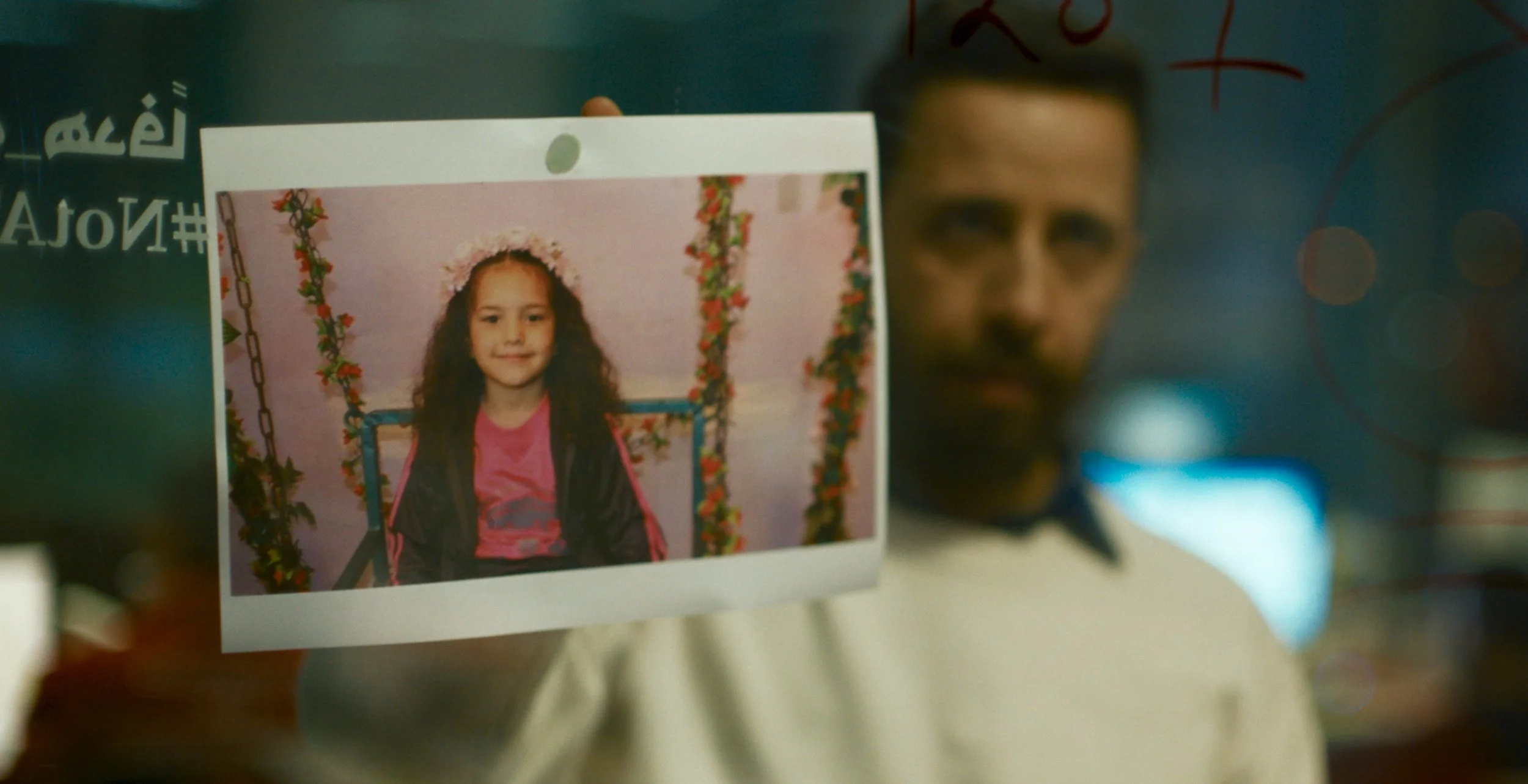
The film is, ultimately, a documentary masquerading as a drama. However, the film does not simply depict a child's helplessness in the midst of war, but also how those who can physically help are bound by red tape and their spirits choked by each subsequent loss or failure in a never-ending crusade for peace. Omar’s frequent pleas to his supervisor, Mahdi (Amer Hlehel), are met with pushback, as the reality of what can feasibly happen erodes any optimism about a potential rescue. As these conversations occurred outside the phone calls to Hind, they are where the film strays from its more obvious documentary DNA and are meant to converse with the facts surrounding Hind Rajab’s situation and fate. It’s where the film evokes greater frustration and uses a ticking clock in its screenplay, but it’s also not trying to manipulate the audience’s emotions so much as it is trying to fill in the blanks, giving audiences a clearer picture of what is happening behind the scenes. It’s a clever way to distinguish among the myriad underlying problems that prevent casualties from being avoided.
It’s easy to throw around the word “vital” when discussing art that depicts atrocities occurring around the world. The recording of Hind Rajab, which serves as the basis for the film, was released last year and was a call to action in its own right. Ben Hania herself was drawn to making the film after hearing the recording of a five-year-old girl begging for help. There was no need for a documentary on Hind Rajab because the Palestinian Red Crescent already presented the truth to people in as stark a way as possible. The Voice of Hind Rajab leverages its source material and access to the inner workings of the Palestinian Red Crescent Emergency Call Center to present the truth in a different light—not a spin on the facts, but a different approach to making it resonate with audiences. In that way, Ben Hania not only succeeds in creating something vital but also demonstrates the ways in which dramatization can be as effective and essential as documentary filmmaking.
