
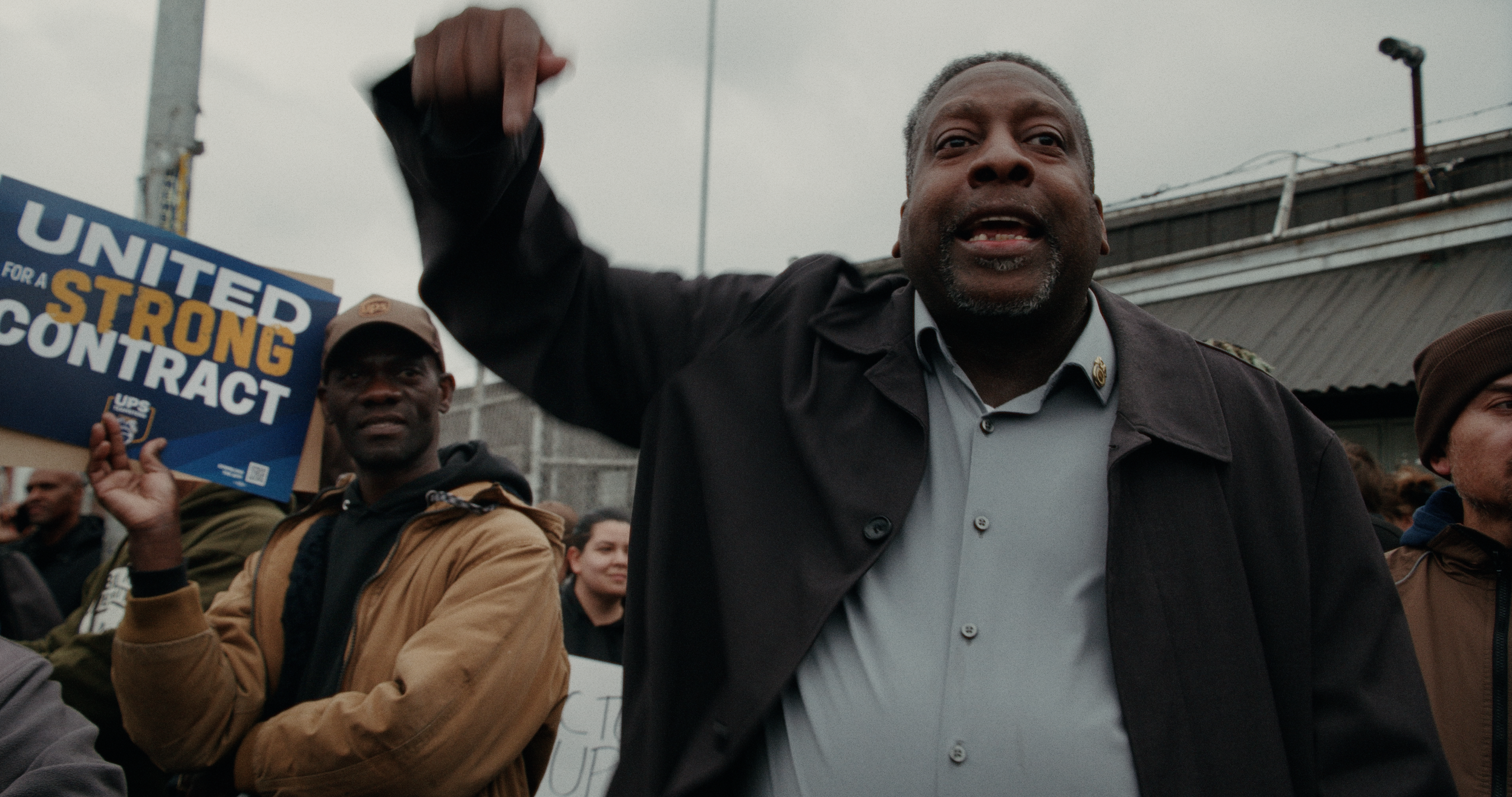
As online shopping, delivery apps, and postal workers bring an immediacy to society’s day-to-day routines, the conditions faced by those delivering your food, groceries, mail, and packages become secondary to how fast and efficient the company itself appears. Despite human welfare being vital to keeping workers happy and healthy, companies like Amazon, UPS, and DoorDash still fight employees demanding fair conditions for an increasingly thankless job. When the gradual deterioration of the human body becomes a vital part of an efficient system, unions and strikes become necessary reactions to apathetic corporations. Focusing on a triptych of UPS drivers, App delivery drivers, and Amazon workers, Barbara Kopple expands upon her previous coverage of workers fighting for their rights in the slight, but nonetheless important, Union Town.
The third documentary in Kopple’s trilogy centred around unions and labour struggles—which includes Harlan County, U.S.A and American Dream—Union Town is a logical extension of her empathetic approach to those working to keep society moving forward when it struggles to support those it depends on. New York City is just one of many cities where every corner turned reveals another package or meal being delivered. Sometimes it’s in some of the worst weather imaginable, but when you are constantly one paycheque away from being broke, delivering someone’s McDonald’s order in a blizzard on your bike could be non-negotiable. The people responsible for keeping everything moving at a steady pace are often left with no choice but to unionize to be seen as more than cogs in a wheel. More packages delivered year over year and more revenue for companies like UPS make it difficult to understand the rationale for not financially supporting those on the front lines keeping the business afloat. For many of these companies, the only action that makes CEOs take notice is collective action, often leading to strikes to renegotiate contracts.
Kopple continues to embed herself squarely in the middle of labour disputes, with an empathetic yet nuanced approach to how ordinary citizens have to navigate complicated legal jargon and politics just to find financial stability. She has always proven how workers serve as the heartbeat of America, but doesn’t shy away from the reality that most workers are woefully unaware of how easily they can be taken advantage of by corporations. Unions such as Teamsters Local 804 and organizations like the Workers Justice Project are there not just to advocate for workers when no one else will, but also to navigate the minutiae of contracts and agreements so that progress is made without too much damage to those most impacted. This is where Union Town is most illuminating. Though, much like a lot of its conversations, it does feel like a slight rehash of Kopple’s other films.
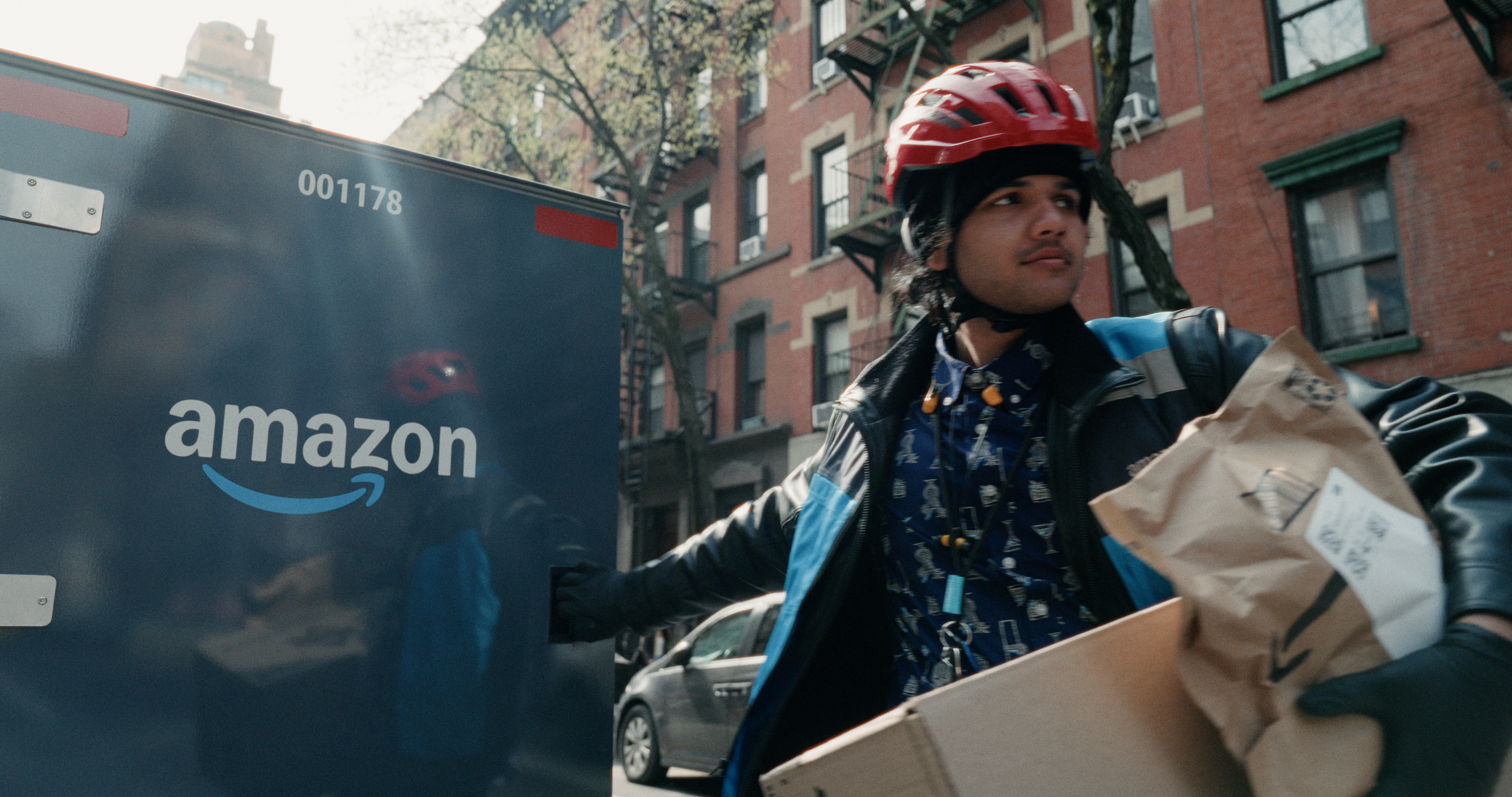
In fact, the biggest issue with Union Town is that it never quite stands out. It’s well-made, but doesn’t have the same grit as Kopple’s Harlan County, U.S.A or the stark observations made in American Dream. It’s a film about a modern-day issue, told through statistics contrasted with the realities of workers’ conditions. The information presented is important, but for most viewers of a documentary about unions, it isn’t revelatory. Whereas Kopple’s other two films on the subject saw the director rubbing shoulders with those involved, that same level of immersion simply isn’t there. The approach feels sterile and distant. The issues facing workers are slightly updated, as many more migrant workers are forced to take on jobs in a country where deportation and abuses of power are far more common. However, even with this understanding, Union Town rarely feels as energized by its subjects. It has a very by-the-numbers execution that serves only to keep its messaging clear.
The people working together to fight these circumstances are shown in as bright a light as possible, though. No one seems to lack heart, but Kopple’s film presents every struggle as personal. As a result, collective action can sometimes feel like it is not in one person’s interest as much as it is the majority’s interest. Sometimes it’s simply a case of being kicked too often and accepting that not every new deal will be significantly better. In fact, sometimes you just have to take it because you’re being bled dry and morale can only keep going down at a certain point. The economic realities that face many of the workers in Union Town are never put lightly. Kopple’s ability to contextualize a crisis with statistics and an understanding of how systems rarely work to improve working conditions, only bottom lines, is why the film still carries a weight to it.
While not quite as powerful as Kopple’s previous films on the subject, Union Town is a reminder that the fight for satisfactory working conditions will always be a necessary battle—even when it only accentuates a flaw in a capitalist system. Unions, in particular, serve as crucial support systems for those fighting for a better situation. The only solution in the face of corporate greed is collective action, but Union Town shows that sometimes what is obviously necessary isn’t always a feasible option when you put your own stability at risk. That we live in a society where people need to fight to meet the bare minimum requirements to survive is nothing new, as Kopple’s films have shown since 1976. That it has been an issue for so long and continues to face resistance is why Union Town can’t help but be an essential document in the ongoing labour struggles of everyday Americans.
The 51st Toronto International Film Festival takes place between September 10th and 20th. Union Town celebrates its North American premiere on September 15th as part of the TIFF Docs program. You can find the full list of films selected for the festival here.
