
TIFF 2026: ‘Rescue’ Review
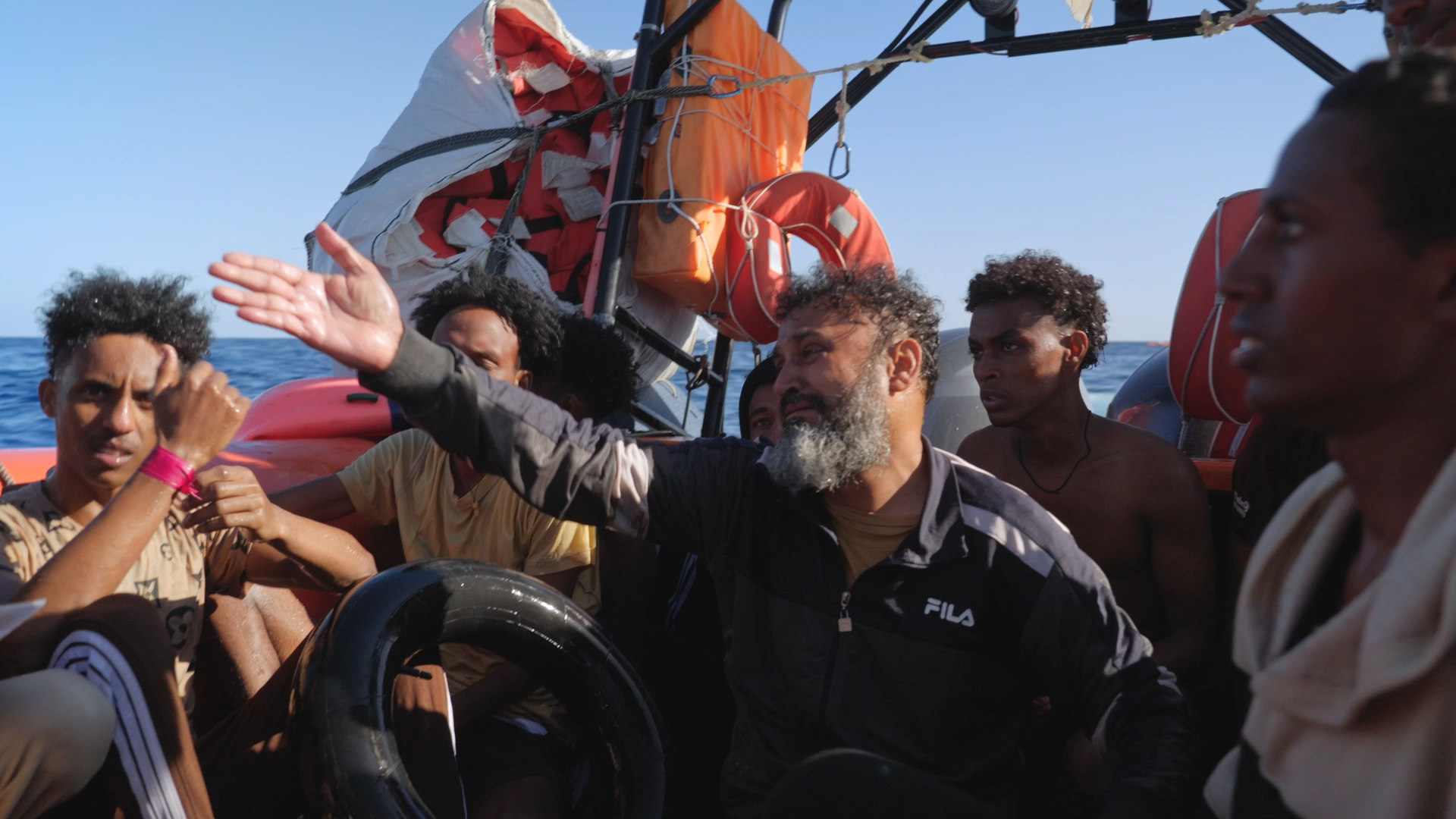
An immersive, nail-biting documentary about the frustrating politics that cause unimaginable harm to those affected, Sine Plambech’s Rescue is as revelatory as it is harrowing. Spotlighting those working to save the lives of immigrants who are forced to make horrifying journeys across the Mediterranean Sea, Plambech embeds audiences with a father and husband who has been separated from his family and the arduous journey to attempt to reunite them. In the process, Rescue exposes how anti-immigrant policies and greedy politicians torture human lives—making every life saved a challenging process where bureaucracy clashes with urgency and morality. Plambech’s latest is an emotional gut punch that condemns the systems that exacerbate human suffering with an urgent call to action that is impossible to ignore.
Broken families, kidnapping, human trafficking, and inhuman conditions are only some of the risks that many migrants trying to escape their present conditions might be faced with. It’s not much of a choice, though, when the pain and suffering become so unbearable that the reward of a new home far outweighs the risk of trying to get there. Opening with a rescue attempt from the Geo Barents—a ship operated by Doctors Without Borders—off the Libyan coast, Rescue starts with a nerve-wracking situation that only escalates from there as Hani is saved while Libyan militia members take his wife and two children hostage inside a prison. From there, Rescue juggles two narrative threads: those actively working to save migrants from the Geo Barents, and Hani’s attempts to reunite with his family while also seeking safety within Europe.
The former thread lets audiences see the efforts NGOs take to combat a growing crisis affecting migrants as they cross the sea seeking refuge. The stories they hear and experience are personal anecdotes of trauma and suffering; meanwhile, Plambech keeps the focus less on the people undertaking these rescue attempts and instead on the collective effort required to successfully save lives. It’s that impersonal touch that turns Rescue into a scathing critique of the systems that hold people back from doing what is right. Rescue acknowledges that anyone working for an NGO already knows how important the job is, so it instead turns the camera toward the powerlessness organizations feel when navigating dangerous situations and political restrictions. It becomes a glimpse into anti-immigrant policies throughout Europe and outsourced border control that allows crossings through the Mediterranean to be interrupted, and those attempting to find a better life to instead be held hostage or killed.
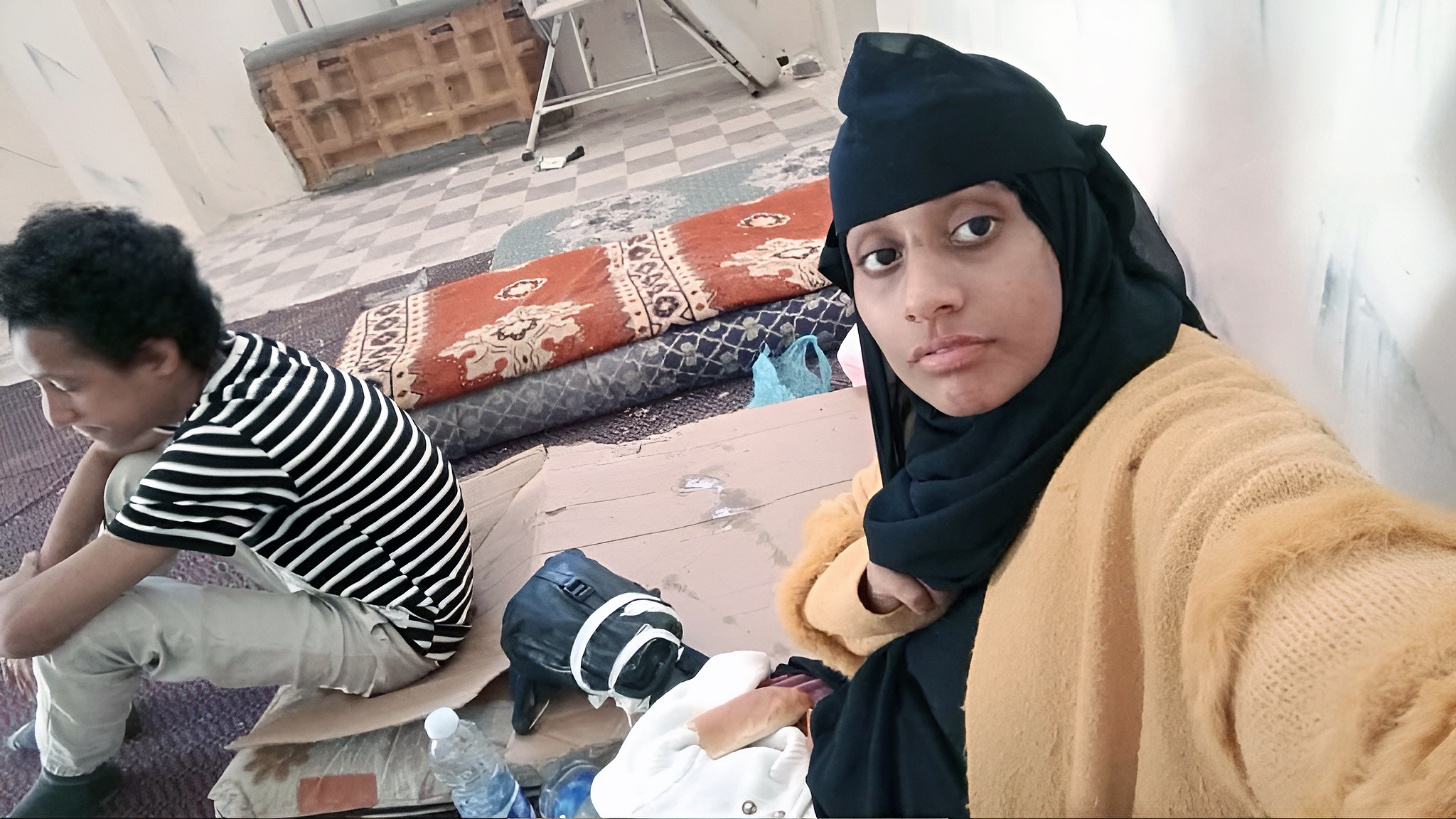
It’s in Hani’s story that that powerlessness is most felt as he tries to reunite with his wife, Roro, and their two children, who have all been kidnapped by Libyan militia during the same rescue attempt where Hani was saved, and subsequently held for ransom at Osama Prison. As Hani travels between refugee camps in Europe, he receives updates from Roro about what is happening to her within the prison. Here is where Plambech’s film features its most harrowing footage, as Roro manages to sneak a cellphone into the prison and not only maintain communication (allowed mostly for ransom demands), but also to document the inhumane conditions that she now faces daily. With a newborn child, the urgency to save Hani’s family shows the terrifying reality migrants face. However, what’s most infuriating is that no one can help, whether because red tape prevents NGOs from stepping in or because the financial and political ramifications are enough for governments to turn a blind eye.
Rescue is searing in its condemnation of systems that actively harm individuals seeking a respite from pain. Those trying to make a better life for themselves are forced into deadly situations with almost nobody there to help. Even when help is offered, Rescue shows it’s fleeting and cannot be depended on as a safety net. Every rescue attempt feels urgent in Plambech’s film because you never know how many lives you will actually be able to save. Human storytelling cuts deep, but here it’s particularly tragic to witness. Bolstered by some impressively immersive camerawork and complemented by Hani’s own dramatic story, Rescue is one of the best documentaries covering an increasingly prevalent situation that threatens lives every day.
The 51st Toronto International Film Festival takes place between September 10th and 20th. Rescue celebrates its World premiere on September 15th as part of the TIFF Docs program. You can find the full list of films selected for the festival here.
