
TIFF 2026: ‘London’ & ‘The Remotes’
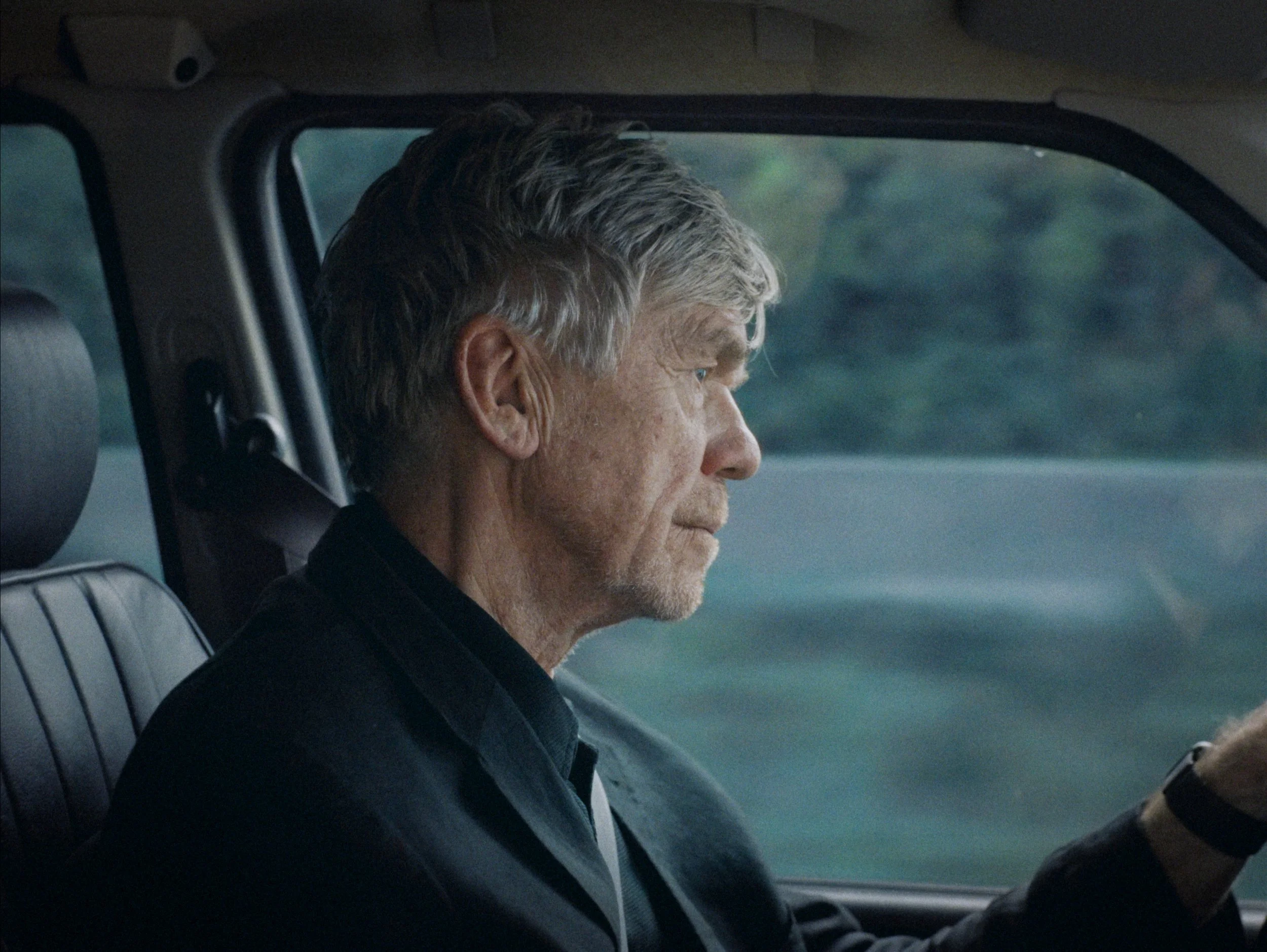
With an elegant simplicity to its execution, Sebastian Brameshuber’s latest feature stirs emotions often left to fester. Fears of impending conflict loom over the conversations and confessions shared within Bobby’s (Bobby Sommer) car—a safe haven for both Bobby and those curious enough to drive with a stranger between Salzburg and Vienna, as opposed to taking the train. Despite its redundant narrative loop that strings together various interactions between Bobby and his passengers, London is constantly energized by the conversations that emerge from simply opening up to a stranger. Heartwarming and enriching, Brameshuber explores a kaleidoscope of political and social themes bubbling beneath the surface of today’s society.
The commute along the West Autobahn is made repetitive by Bobby’s frequent trips from his home to his hospitalized friend, but it surprisingly takes a while for that exhaustion to set in for the audience. Shot in-studio, using a few fixed camera angles and rear-projection techniques, London is somehow engrossing despite its artifice and simplicity. While it doesn’t appear technically impressive on the surface, the techniques used to craft a familiar space reflect the effort people have to make to feel comfortable enough to open up. The conversations that transpire range from anxieties about our digital age to Marxist readings of James Cameron’s Avatar, with plenty of variety in between. With passengers from all walks of life (portrayed primarily by non-actors), Bobby’s calm demeanour and visible empathy make everyone who enters his car feel compelled to divulge personal anecdotes and worldviews. The result is a mosaic of empathy, where even the most stoic passenger struggles to remain quiet for too long at the prospect of relieving themselves—even slightly—of a personal burden.
It’s the way people used to connect and how Bobby bridges that gap that textures London with something quietly profound. Despite using an app to arrange the drives, every other element of the connection feels human in a way that often gets lost. The way most people sit in front with Bobby as opposed to in the backseat emphasizes the implicit social contract signed when riding in someone else’s vehicle, but those interactions end up being a balm for the soul. When the radio is only sharing devastating news every day, and you could spend hours in transit alone with your thoughts—stewing in the negativity until life feels pointless—Brameshuber reminds us that the social component of humanity is as vital to surviving as getting to our destination.
The 51st Toronto International Film Festival takes place between September 10th and 20th. London celebrates its North American premiere on September 16th as part of TIFF’s Wavelengths program. You can find the full list of films selected for the festival here.
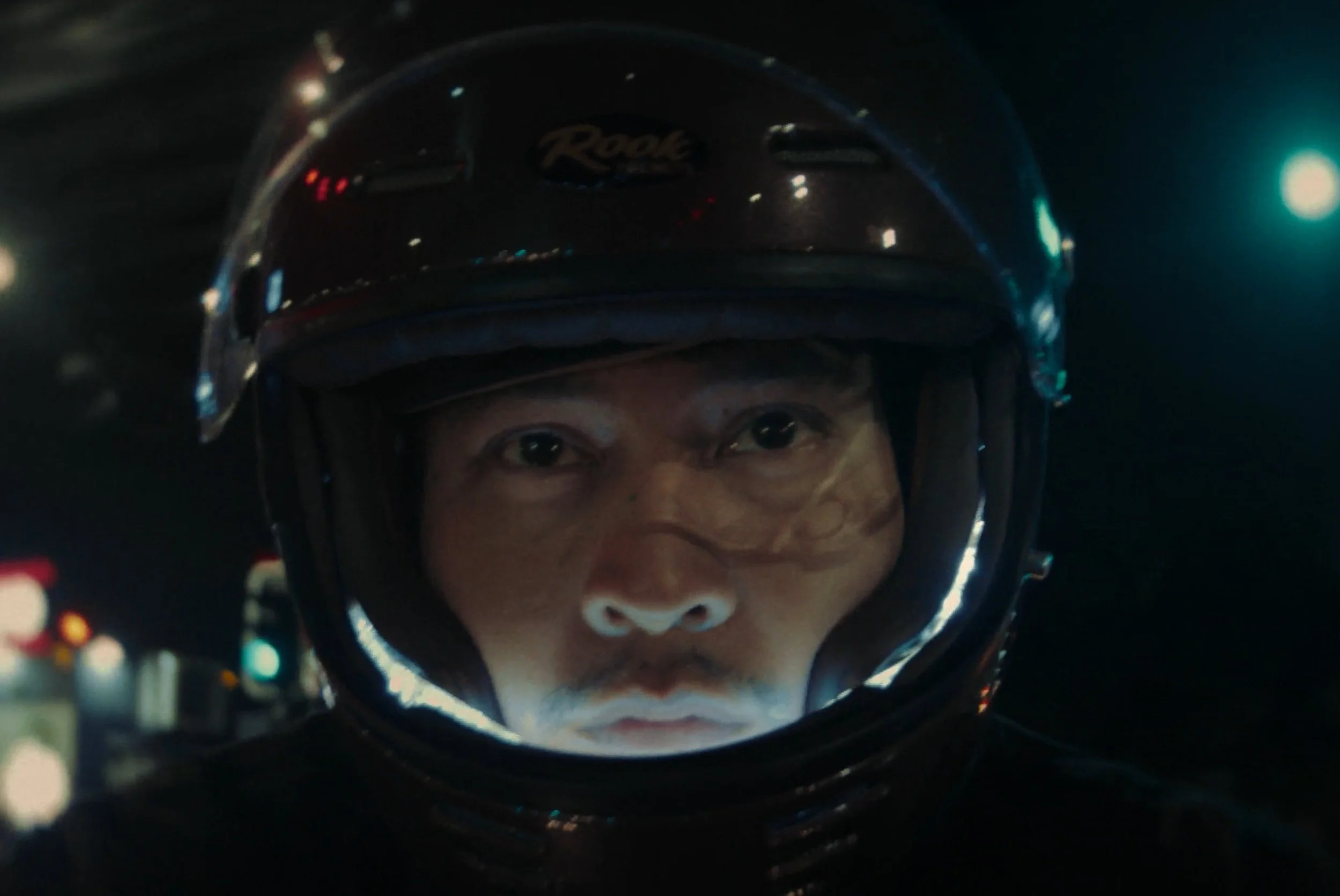
The distance from reality felt by Detective Mijares (Alchris Galura) in the wake of his wife’s recent passing only grows stronger in John Torres’ sublime The Remotes. Languidly paced, Torres’ first narrative feature is a sprawling examination of technology seizing control of more than just our minds. A neo-noir science fiction hybrid thatexpands upon Torres’ short of the same name, the film presents a ghost story for our modern times. With a stylish execution reminiscent of the works of Nicolas Winding Refn and Yi'nan Diao, it has a transfixing quality that haunts every moment spent wallowing in its protagonist’s grief. While it undoubtedly overstays its welcome, The Remotes is a uniquely hypnotic experience about how easily we’ve become a society willing to forego control.
At over 150 minutes, Torres injects his experimental approach to filmmaking into a beguiling narrative about an app that allows individuals to let someone else take control of their body. The concept sounds like a fun party trick, but the result is that more and more people are dying from car accidents. However, while Mijares suspects the app as the cause, tracing it back to it when all evidence points to the individual physically present proves difficult. The premise is rife with potential, and Torres explores it with a mournful approach, understanding the role technology now plays in life’s lowest points. “I was in the wrong place: the world,” remarks Detective Mijares through disaffected narration that persists throughout the entirety of The Remotes’ lengthy runtime. The grief reverberating through the detective’s every word sets a tone that persists throughout the film.
Unfortunately, while The Remotes is undeniably alluring conceptually, there are lengthy sequences closer to the end of the film that are a little more blunt than what transpires prior. They’re not jarring moments, but they feel like unnecessary padding to an otherwise meditative investigation into technology’s role in society. The constant doomscrolling and negativity prevalent in social media gradually hollow out individuals until there’s a gaping hole that allows anything in, but very little escapes. It’s a disturbing thought, and Torres presents it with an unwavering atmosphere, bolstered by Don Josephus Raphael Eblahan’s equally brooding score. The disaffected, moody atmosphere turns every moment in the film into a black hole slowly eating away at the souls of its characters. Even with its unwieldy runtime that feels more numbing than captivating at times, The Remotes depicts its themes with a clear vision that is just as enriching as it is unique.
The 51st Toronto International Film Festival takes place between September 10th and 20th. The Remotes celebrates its World premiere on September 11th as part of TIFF’s Wavelengths program. You can find the full list of films selected for the festival here.
