
NYAFF 2026: ‘Kinki’ Review
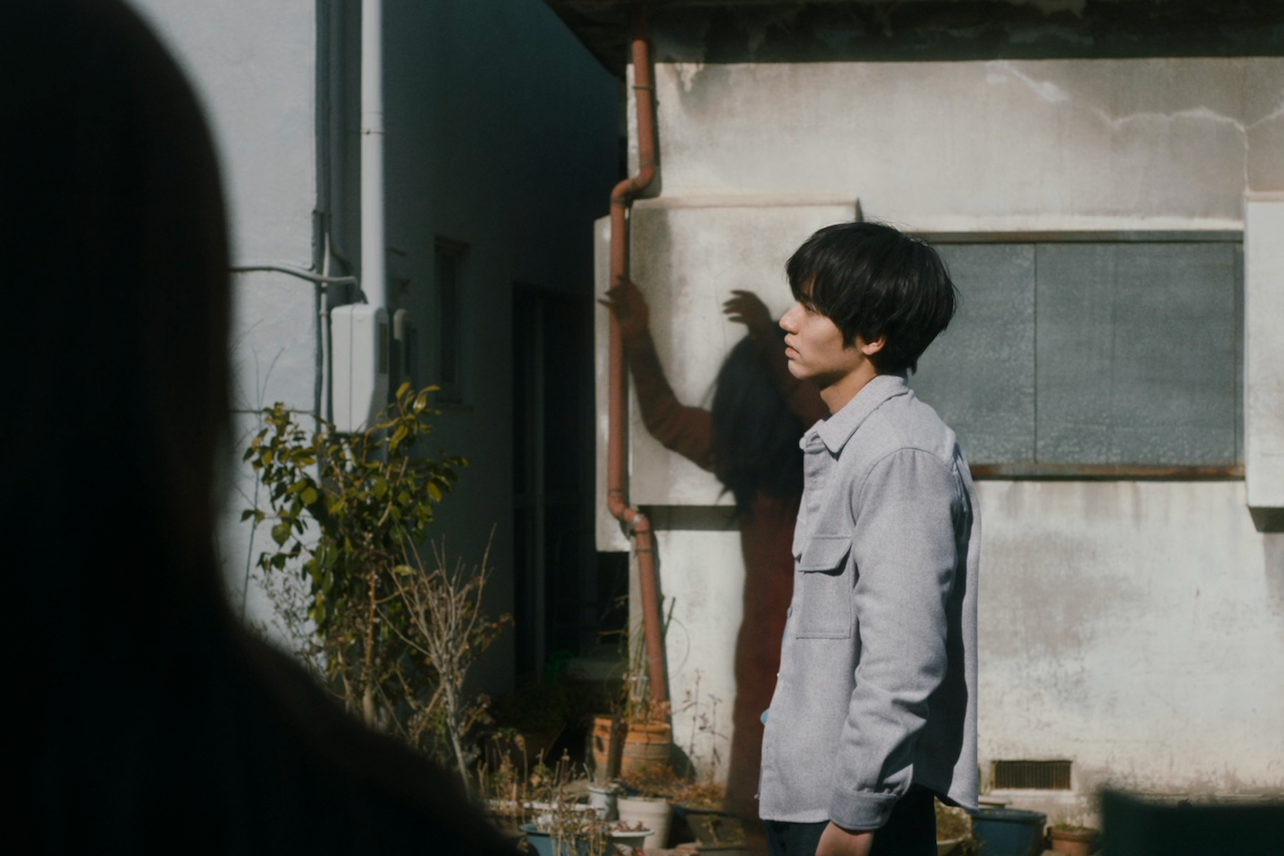
One of the greatest found-footage films of all time, Noroi: The Curse remains one of Japan’s most enduring stamps on the horror genre. A film that was seen as a failure upon release in 2005, it has since become a cult classic in the found-footage horror subgenre. Disturbing and intricate, it weaves a tapestry of curses into an atmospheric nightmare that still holds up today. Its director, Kōji Shiraishi, hasn’t quite captured that same magic since but has nevertheless toiled away attempting to do so. However, it’s his latest film—an extremely Noroi-coded dive into the occult—where Shiraishi not only reminds audiences of the horrors he can conjure but also how his attention to mythology takes on new meaning in the digital age. The prolific director's newest movie, Kinki, is a terrifying collection of disturbing images woven into the ultimate viral horror film and one of Shiraishi’s best movies in the past two decades.
Opening with a compilation of people talking about curses spread through social media, Kinki wastes absolutely no time placing attention on Shiraishi’s most prevalent obsession. When the occult magazine Ultra-Mystery Mag’s chief editor, Takeshi Sayama (Atom Shukugawa), suddenly disappears during the final stretches of a feature being written for the periodical—with both the data and his wife—his colleague Yūsei Ozawa (Eiji Akaso) is tasked with completing the assignment. Assembling from a collage of various viral horror stories that seem most irrelevant except for small details that string them together, he brings in freelance writer Chihiro Seno (Miho Kanno) to piece together the puzzle left behind by Takeshi. The most common link between all of the disturbing stories, videos, and anecdotes is the Kinki region, where disappearances and strange occurrences have been known to occur.
Delving into the material collected by Takeshi launches Kinki’s conspiratorial, paranoia-driven narrative that connects an assortment of different terrifying horror stories for Shiraishi to frighten audiences. It begins with a Junior High Camping Trip, mass hysteria, and an ominous, detached voice asking, “Won’t you join me on the mountain?” bellowing through the camp. It’s haunting, evocative, and sets the tone for the kind of horror Shiraishi is crafting alongside co-writer Tetsuya Ōishi. Most of the video evidence seems to center around news crews, tourists, and amateur YouTubers all investigating a similar curse without really knowing the depths of its evil. The way each piece focuses on only a small portion of the network of incidents is accentuated by how Shiraishi shoots the horror itself—out-of-focus and obscured terrors lurking in the background of unsuspecting victims.
It’s a bit of Zodiac-meets-Ringu, but each piece of the puzzle is littered with visuals and clues reminiscent of other Shiraishi films—most of which are done far better here than anywhere else in his filmography. Most of the evidence plays out like vignettes in an anthology-like structure, with unsettling moments often punctuated by gore or violence. The key is wading through the material to find the clues that link them to one another and ultimately provide further details on what happened to Takeshi and where he might be. One particular clue is a little less spooky, as it’s increasingly used to connect things, but it also reinforces Shiraishi’s ability to lure audiences into paranoia. By doing so, even the most mundane connections add an unsettling level of scale to the mystery enshrouding Kinki.
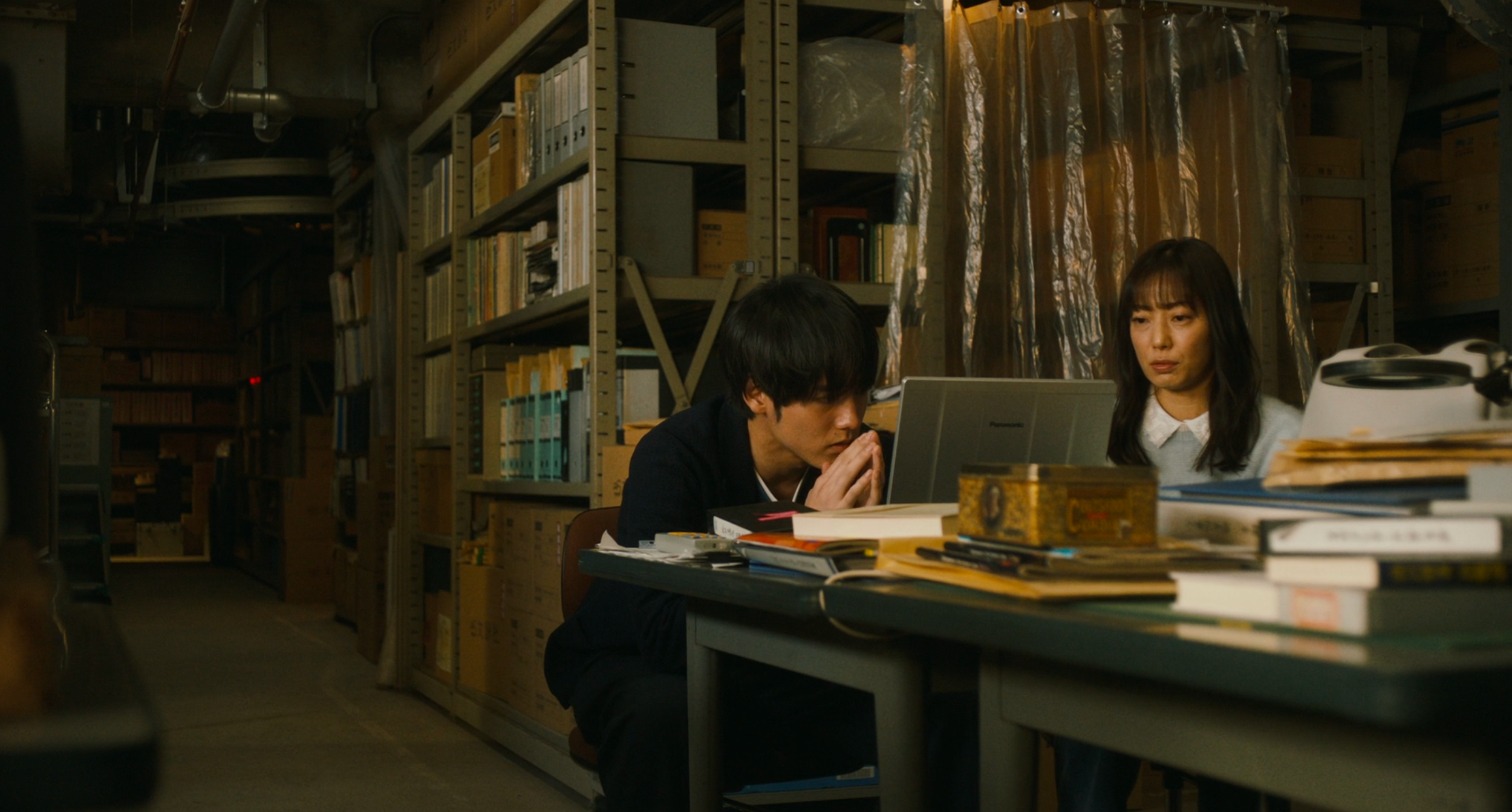
As great as Kinki is when it’s chaining disparate stories to each other, the film loses a little something in the transition to the frame narrative concentrating everything. Specifically, the characters are not particularly compelling enough even when they become integral parts of the puzzle. The performances are effective at conveying how shocking this all is when pieced together, but the way they are woven in is less interesting than the horrors that bring them together. It’s all part of Shiraishi needing to stitch together an intricate latticework of humanity and evil constantly being forced upon one another, but compared to what comes before, it’s where the film is more ambitious but less engaging. However, if it’s what is necessary to deliver some of the most impressive final scares in a J-horror film from recent years, then so be it because Kinki delivers some memorable terror in its final moments.
The amount of occult horror that has a neat hook but doesn’t quite land is innumerable. Shiraishi is not innocent of this. With Kinki, though, he delivers something truly spine-tingling that had me hooked from its initial premise to its haunting conclusion. Minus a few hiccups along the way trying to weave it all together, it’s an example of what Shiraishi does best by entangling all of his horror with a tinge of mystery. Splicing together found-footage clips with an overarching mystery threatening to ensnare its characters completely, it will have most audiences firmly in its grasp. Kinki is masterfully executed viral horror that sees its director cribbing from his own lineage of scares to deliver a masterclass in social media horror films.
The 25th New York Asian Film Festival takes place between July 10th and 26th. Kinki celebrates its North American premiere on July 23rd, as part of NYAFF’s Horrorscope program. The full list of films selected for the festival can be found here.
