
NYAFF 2026: ‘Fujiko’ Review
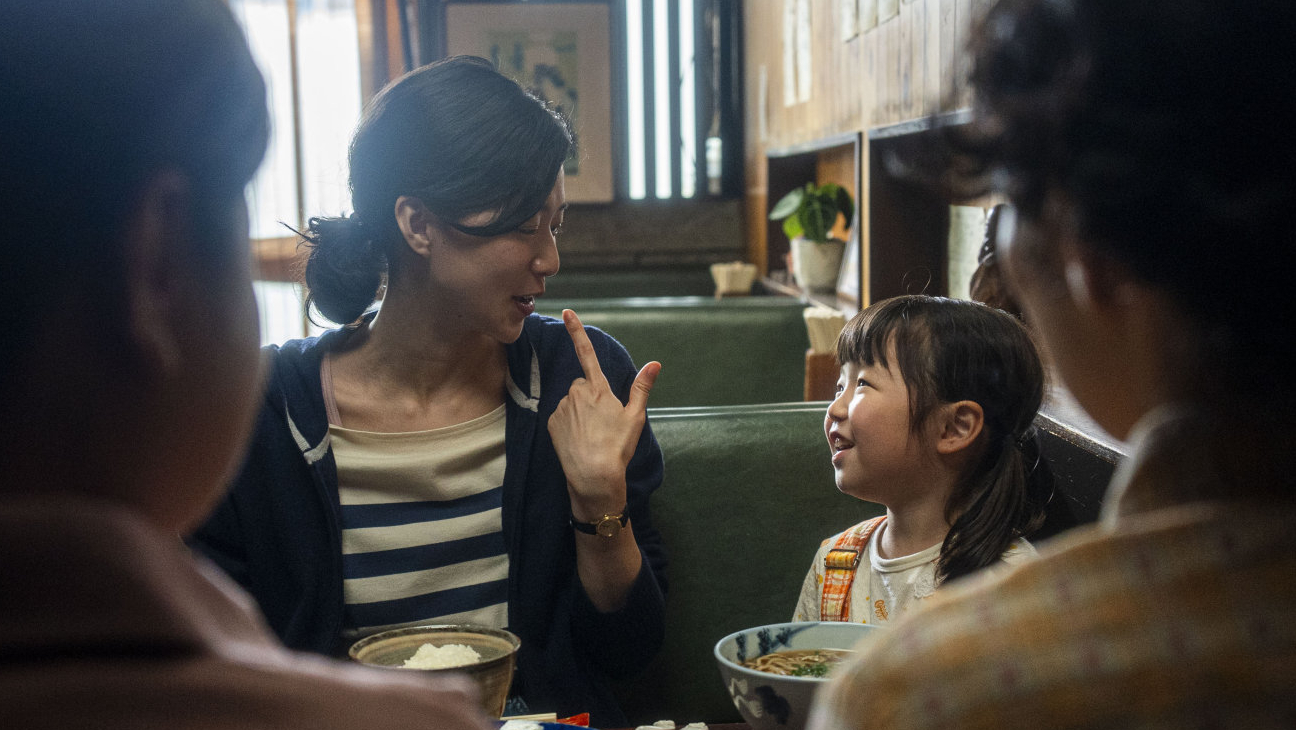
Traditional outlooks and beliefs are difficult to stomp out in Taichi Kimura’s Fujiko. Backed by a prog rock score and some wild early narrative turns, Kimura’s latest feature is a well-paced treatise on the debilitating systems that keep women bound to meet societal expectations. It’s also one that places audiences squarely in the titular mother’s shoes as she rolls from one punch to the other in the search for stability. There are many films about motherhood and trying to be a single mother in a society that seems to expect the world of women but gives them nothing in return. There may be a man present, but what is being asked of them is nowhere near the same. Fujiko thrives in that reality. With its endearing protagonist and a striking hostility surrounding her in every frame, Kimura paints a vivid portrait of how difficult it is to merely be given the allowance to try your best.
With the birth of her daughter, Mari, in 1977, Fujiko (Yuki Katayama) leads a solo revolution against the patriarchal values and time-honoured traditions designed to keep women in place. When she leaves her husband—after he and his family attempt to kidnap Mari and extort Fujiko for money and labour—the mother and daughter embark on a tumultuous journey to raise Mari without the help of others. A cathartic middle finger to the established order of things, Fujiko is a film that, much like its protagonist, reinvigorates itself in the face of constant oppression. A melodramatic narrative tethered to a strong, aggressive lead performance from Katayama focuses Shota Gajin and Saki Kuniyoshi’s screenplay on the repression that surfaces as anger when trying to live outside Japan's traditional family model.
The Women’s Liberation Movement in Japan provides a fascinating backdrop to Fujiko’s own plight, emerging around the same time as Mari is born. It weaves itself neatly within her own narrative, exemplifying just how tricky it was for women to actively pursue freedom. When you’re expected to give up on your profession, unable to find childcare to pursue work or other interests, and tasked with raising a child without external support, it’s like watching a cage be dropped unsuspectingly. This is not exclusive to Japan, but Fujiko makes it clear that some of these roadblocks to autonomy are entrenched Japanese traditions that other women may struggle to break free from. Despite being set in the late 1970s and early 1980s, as we watch Mari grow up with a single mother, the notion that “raising a child alone is impossible” still feels like a common sentiment made today.
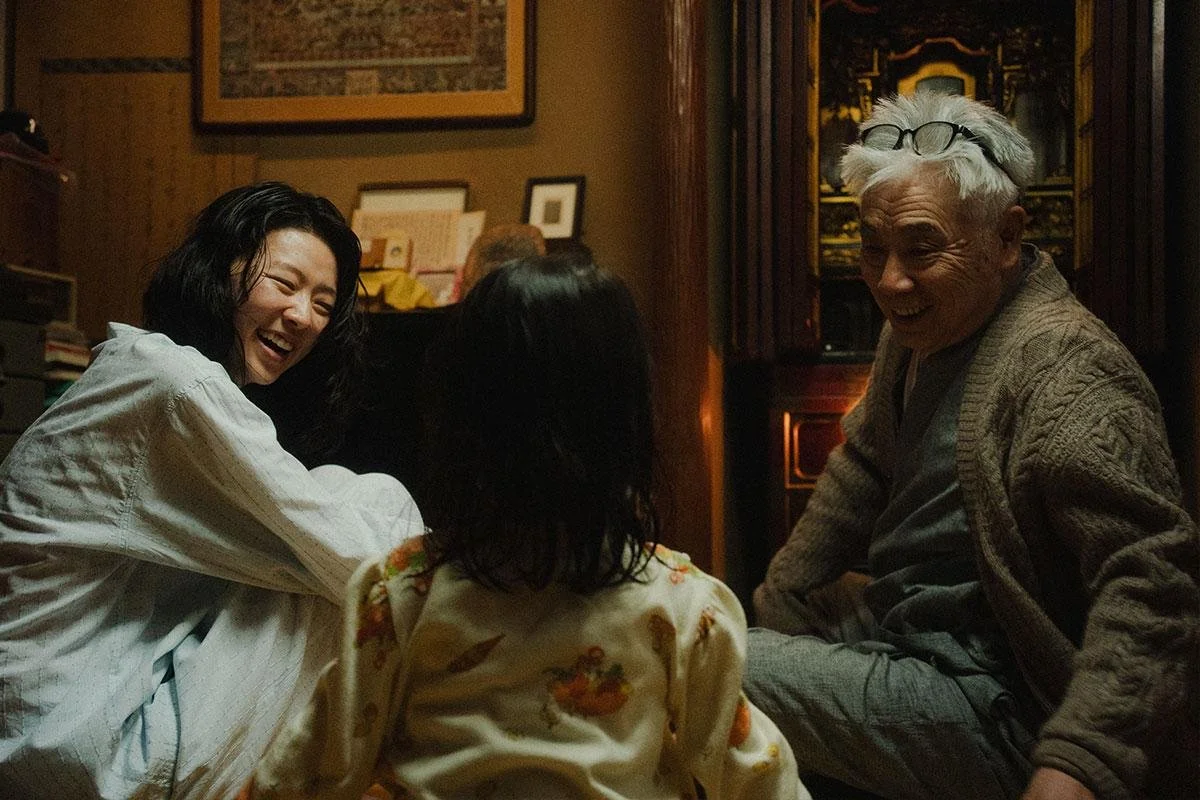
This underscores what is on display in Kimura’s film and why it matters that the screenplay doesn’t dodge the emotionally draining realities Fujiko faces. Yes, it has a bit of an upbeat attitude at times—brief moments that are cherished when they do occur—but its overly sentimental beats are often understood as brief respites. The film itself is even structured in a way that provides a little levity as we first meet Fujiko selling insurance to an older worker (played by the always delightful Lily Franky). After a brief power outage during her sales pitch, the darkness reminds her of Mari’s birth, and she then regales the man with her story. It’s bolstered by a wonderful cast all around, including an extremely unlikable-yet-honest turn from YOU (Still Walking, Nobody Knows) as Fujiko’s mother-in-law, Keiko Takashita (a recent regular for Studio Ghibli’s voice cast), Kayoko Kishimoto (Hana-Bi and many other Takeshi Kitano films), and a charming Issey Ogata (Yi Yi, Silence) rounding out a group of fantastic performances.
Fujiko can’t escape being a little too depressing at times, but it’s a film about perseverance and specifically what that looks like when it means fighting against societal expectations. There’s no shortage of heartbreaking stories to tell about motherhood, but Gajin and Kuniyoshi’s screenplay taps into a resilience that's more empowering to audiences than it is suffocating. It’s a love letter to women and mothers everywhere who are forced to live within confines that could easily be broken down with a little support. Presenting Fujiko as a rebellious spirit who often struggles to escape the weight of her situation makes for a story of hope grounded in a harsh reality. What works in Kimura’s approach is that he doesn’t want Fujiko to suffer, but he also understands that the only way to convey the pain is not to gloss it over with an uplifting attitude. It’s a fight, and Fujiko depicts why that fight shouldn’t have to exist in the way it does.
The 25th New York Asian Film Festival takes place between July 10th and 26th. Fujiko celebrates its North American premiere on July 24th as part of NYAFF’s Japan Perspectives program. The full list of films selected for the festival can be found here.
