
‘The Pitt’ Season 2 Review
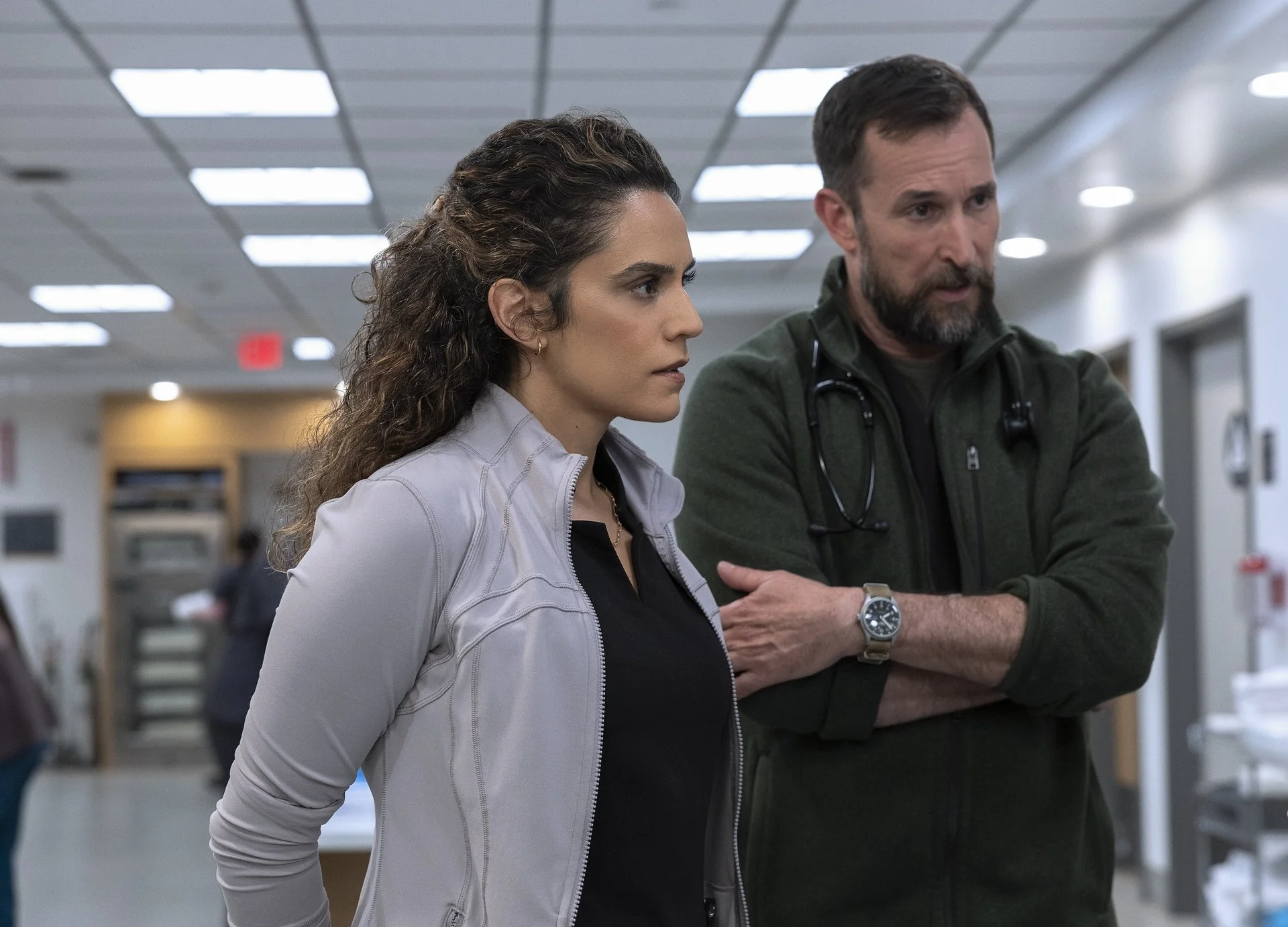
A melting pot of trending topics and modern-day anxieties, the first season of The Pitt was tremendous at tackling so much material within the confines of a single emergency room at a Pittsburgh teaching hospital. Anchored by an immense performance from ER alum Noah Wyle as attending physician Dr. Michael “Robby” Robinavitch, The Pitt defined itself as a show driven by empathy. Willing to look at both sides of the equation while under intense time pressure, managerial and public scrutiny, and limited resources, the show’s presentation of a single 15-hour shift proved to be a powderkeg where anything that could go wrong likely would. The satisfaction of witnessing it avoid ignition was the benefit of so many moving parts and made it an easy series to binge if that’s how you prefer to enjoy your television.
However, dealing with PTSD from COVID-19 and a colossal tragedy in its first season left showrunner R. Scott Gemmill with a perfect time capsule of America and unenviable expectations for where season two might go. Unsurprisingly, the result is a much more comfortable running season, far more focused on its thematic throughline than on the narrative beats that kept the momentum at a dizzying pace. Dr. Robby clocks in for his last shift before a much-needed sabbatical and shares attending duties with Dr. Baran Al-Hashimi (Sepideh Moafi), who will take over for him while he’s away on a cross-country motorcycle trip. It also happens to be the Fourth of July weekend, which means all sorts of mishaps will likely come rushing through the emergency room doors, requiring all hands on deck.
Fortunately, the second season is mainly composed of the same cast as the first, with some additions among the student doctors, who slowly come into their own as the shift unfolds. The previous students are all here, with various levels of progress in their education; the most notable being Gerran Howell returning as Dennis Whitaker, a newly minted doctor who has matured significantly on the team compared to last season’s frequent gaffes that required innumerable scrub replacements. The baton gets passed to some of the new hires, but most of the focus remains on the first season’s cast, all being wrangled together by head charge nurse Dana Evans (Katherine LaNasa), who is also being shadowed by a student hoping to take on the same role. The thread most viewers will want to pull at is the return of Dr. Frank Langdon (Patrick Ball), who comes out of rehab looking to make amends with Robby and fall back into the way life was before the events of the first season.
The difference between the first and second seasons of The Pitt is that its characters matter more now that we’ve become so immersed in their lives. Almost everyone had a moment in the first season, and here is no different, though the degree of subtlety in those nuances can vary greatly. The benefit is that it means the show does not need the hot-topic issues thrust into its lap every episode, nor does it need to be a high-octane game of revolving patients, each with potentially devastating outcomes. There’s a lot less intubation this season, but the same amount of effort to balance empathy with logistical support for each patient. The show hews a little closer to its spiritual predecessor, ER, in that regard, though not to the same degree. The cases are still the focus here, and they don’t get neatly resolved in a single episode, since this is still structured like the previous season’s hour-by-hour episodic format.
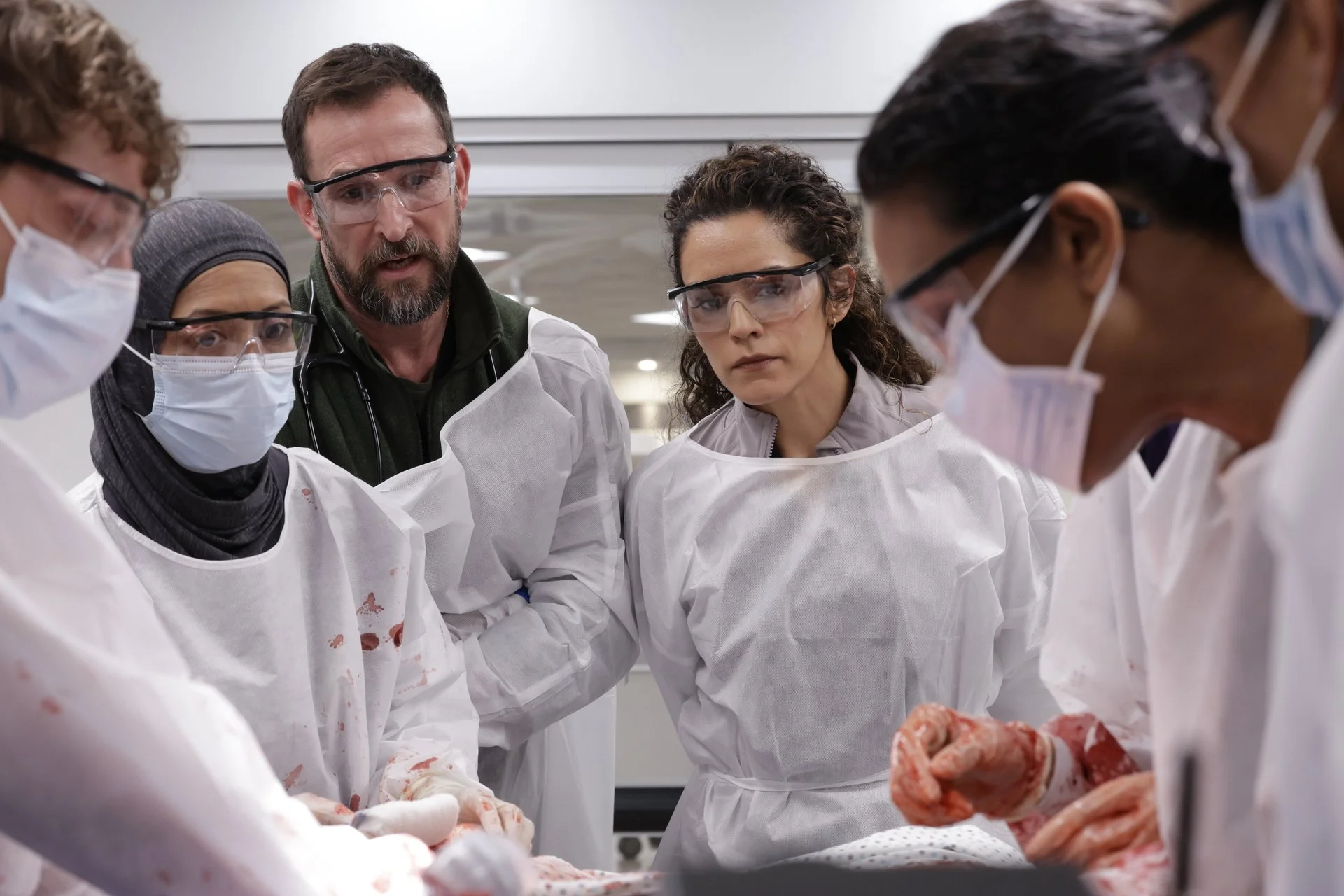
None of this means the show has lost its topicality. The importance of completing charts promptly after each patient serves as a launchpad for Dr. Al-Hashimi to introduce generative AI into the workplace, which becomes a consistent point of contention with Dr. Robby throughout the season. However, season two focuses on the healthcare system and how it impacts patients' financial stability, as well as other barriers that prevent people from getting the help they need before it’s too late. It’s a sticking point that often arises after initial care is provided and surfaces the frustrations healthcare workers experience when trying to help, despite other limitations that prevent patients from getting the care they need. There was a lot more to focus on in the first season, so the more routine approach to this season and getting back into the groove of things improves visibility on the subject matter.
All of this also helps chart an outline for how The Pitt will continue going forward and could avoid scheduling particularly stressful days or holidays for each shift. The potential downside is that the show might fall into a comfort zone that churns out seasons of diminishing returns from its well-oiled structure. This season might be more laid-back, but it sets a path for continued growth in each character and, in turn, provides a much richer canvas to explore through each patient’s care. The Pitt remains an incisive look at essential workers, who are the backbone of a functioning society yet are so easily ignored. It’s also a show that juggles many areas of interest for viewers, from medical procedures to the human drama inherent in caring for anyone. A show that hit the ground running and found its stride immediately, The Pitt is still one of the best shows on television, and its second season only solidifies its staying power.
The second season of The Pitt debuts Thursday, January 8th at 9:00 p.m. ET on HBO Max. New episodes of the 15-episode season will debut weekly.
